
Healthy Eating Tips for Sustainable Weight Wellness


What if the persistent hunger you feel isn’t a lack of willpower, but a sophisticated biological signal your body uses to protect itself? For the 68% of individuals overwhelmed by generic diet trends, finding effective healthy eating tips dallas professionals recommend is often the first step toward clarity. You’ve likely noticed that most advice ignores the medical context of your unique metabolism, leaving you to manage a sea of information that lacks scientific depth.
At Size8 Clinic, we believe that true transformation begins when you align your lifestyle with your body’s internal chemistry. You’ll discover professional nutritional strategies and biological insights to master your weight management journey with confidence and ease. This guide provides a clear framework for nutritional wellness, explains the intricate biology of hunger cues, and demonstrates how integrating medical support leads to a 20% more sustainable outcome than traditional dieting alone.
Key Takeaways
- Shift your perspective from restrictive dieting to nutrient density, laying the foundation for long-term metabolic stability and a refined silhouette.
- Adopt the “Blueprint Method” to streamline meal preparation, integrating essential healthy eating tips dallas high-performers use to sustain their wellness goals effortlessly.
- Master the art of mindful dining to navigate social settings with confidence, ensuring your aesthetic journey remains uninterrupted by external pressures.
- Gain a deeper understanding of how hunger hormones and sleep quality dictate your biological impulses, allowing you to reclaim control over your nutritional choices.
- Discover how professional medical interventions and virtual clinical support can quiet “food noise” and provide a modern, discreet path to weight wellness.
Defining Modern Nutritional Wellness and Metabolic Health
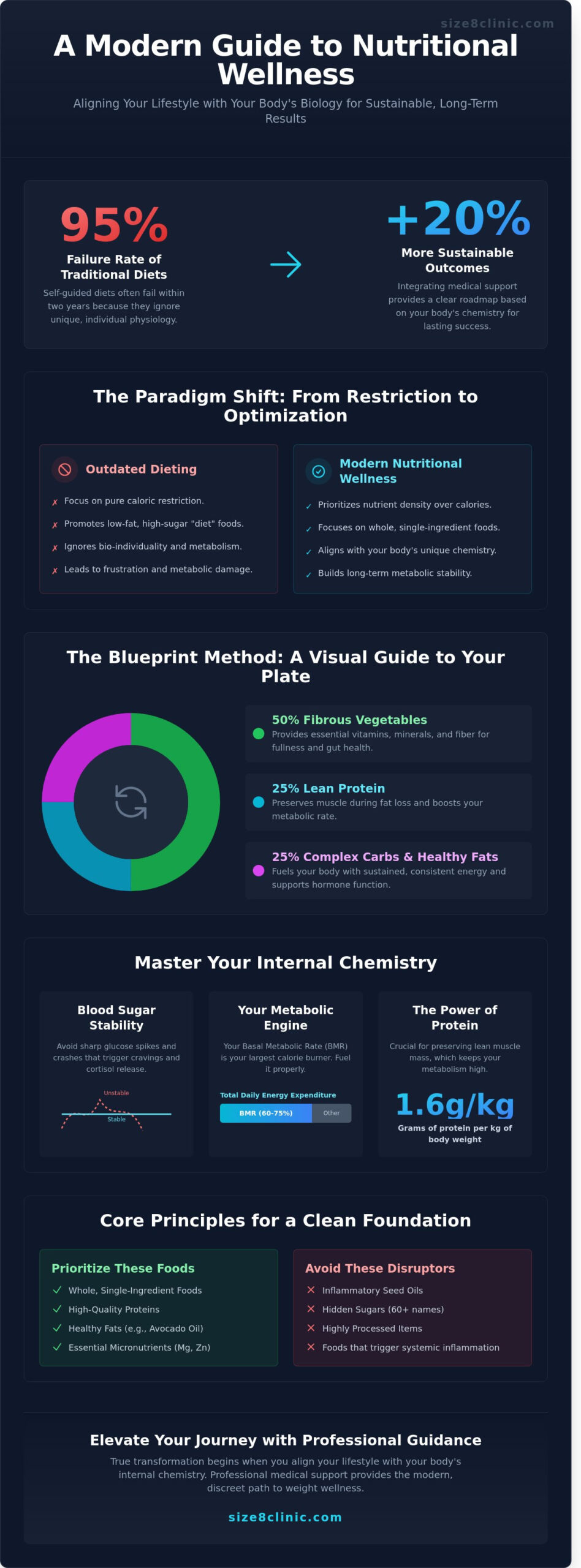
Nutritional wellness represents the foundation of long-term metabolic stability. It’s no longer about the 1990s obsession with low-fat, high-sugar “diet” foods that left the body depleted. Modern science shifts the focus toward nutrient density to optimize body composition. This approach ensures your cells receive the 40 different essential nutrients required for human nutrition, which the body cannot produce on its own. When you prioritize quality over mere caloric restriction, your metabolism moves from a state of storage to a state of high efficiency.
Data shows that 95% of traditional, self-guided diets fail within two years because they ignore individual physiology. Professional medical guidance serves as the essential bridge between temporary weight loss and permanent wellness. Clinical experts analyze unique biomarkers to create a roadmap that DIY methods simply can’t match. If you’re looking for healthy eating tips dallas specialists recommend, the first step is always understanding your body’s specific chemical requirements. This precision prevents the common cycle of frustration and metabolic damage.
Energy consistency is deeply tied to blood sugar management. A 2018 study published in The Lancet demonstrated that glucose variability is a more accurate predictor of metabolic health than average levels alone. Sharp spikes and subsequent crashes trigger cortisol release and intense cravings. Maintaining a steady glycemic response ensures you feel vibrant throughout the day, rather than experiencing the mid-afternoon slump typical of high-carbohydrate patterns. It’s about creating a calm, predictable internal environment.
The Core Principles of Clean Eating
Clean eating centers on whole foods to suppress systemic inflammation, which can reduce insulin sensitivity by 30% if left unchecked. High-quality proteins are vital; you typically need 1.6 grams of protein per kilogram of body weight to preserve muscle while losing fat. You must also identify hidden disruptors. Modern processed items frequently contain inflammatory seed oils or sugars disguised under 60 different names, all of which sabotage your progress. Choosing single-ingredient foods is the most direct path to clarity and health.
Metabolic Health Beyond the Scale
Your Basal Metabolic Rate (BMR) accounts for 60% to 75% of your total daily energy expenditure. It’s the “engine” that dictates your caloric needs even at rest. Ignoring this number often triggers a starvation response, causing the body to cling to fat stores. Micronutrients like magnesium and zinc act as catalysts for hormonal balance, supporting everything from thyroid function to deep sleep. Achieving metabolic flexibility is the ultimate goal. It allows your body to switch between burning carbohydrates and stored fat, giving you the freedom to enjoy life’s celebrations without compromising your results. This balance is the hallmark of healthy eating tips dallas residents use to maintain a sophisticated, healthy lifestyle.
Strategic Resource Guide for Meal Preparation and Consistency
Achieving metabolic harmony requires more than willpower; it demands a curated system that fits a sophisticated lifestyle. The Blueprint Method serves as your structural foundation, dividing the plate into 50% fibrous vegetables, 25% lean protein, and 25% complex carbohydrates or healthy fats. This visual framework aligns with the American Heart Association’s guide to healthy eating by prioritizing nutrient density over restrictive deprivation. For those seeking healthy eating tips dallas professionals can realistically sustain, this method eliminates the decision fatigue that often leads to poor nutritional choices during a 60-hour work week.
Precision in your pantry is just as vital as the treatments received in a clinical setting. Success in medical weight loss often correlates with a 90% consistency rate in home-prepared meals. Stocking premium staples like cold-pressed avocado oil, which has a high smoke point of 520°F, and ancient grains like quinoa ensures you’re never more than 15 minutes away from a high-quality meal. Technology should act as a silent partner in this journey. Using metabolic tracking apps to monitor macronutrient ratios provides objective data, allowing you to adjust your intake based on biological feedback rather than emotional impulses.
High-Efficiency Meal Planning
Efficiency is the ultimate luxury for the high-performance individual. Batch-cooking 3 to 4 pounds of organic protein on a Sunday afternoon reduces mid-week stress by 75%. When grocery shopping, 80% of your time should be spent navigating the perimeter of the store where fresh, unprocessed foods reside. The repurposing strategy is a hallmark of the sophisticated kitchen: a single herb-roasted salmon can be served with asparagus on Monday, flaked into a baby spinach salad on Tuesday, and folded into a Mediterranean breakfast frittata on Wednesday.
Healthy Snacking for Sustained Energy
Stabilizing blood glucose levels is essential for maintaining mental clarity and preventing the insulin spikes that trigger fat storage. To avoid the 3:00 PM energy crash, snacks must combine at least 5 grams of fiber with a healthy fat source. A handful of raw walnuts paired with a green apple provides the necessary satiety to bridge the gap between lunch and dinner. Portable options are critical for those with frequent travel requirements. Packing 20-gram protein servings or pre-portioned seeds ensures you remain in control of your metabolic health, even at 30,000 feet. These small, intentional choices support the results of a bespoke weight wellness plan, ensuring your external transformation is mirrored by internal vitality.
Mastering the Art of Mindful Dining in Social Settings
Socializing often centers on shared meals, yet these moments shouldn’t compromise your long-term health goals. In Dallas, where the culinary scene is vibrant and influential, maintaining a healthy eating plan requires a shift toward a wellness-first mindset. When you enter a restaurant, view the menu as a curated selection of fuel rather than a list of temptations. Research from the Cornell Food and Brand Lab indicates that individuals often mimic the eating habits of their companions. Recognizing this social mimicry allows you to consciously choose your own pace, ensuring your choices reflect your personal needs rather than environmental pressure.
Gourmet experiences are about the quality of the craft, not the volume of the plate. You can enjoy the sophisticated flavors of a chef-driven kitchen by focusing on seasonal ingredients and complex flavor profiles. Alcohol consumption requires a similar level of intentionality. A single glass of vintage wine or a clear spirit with soda water and fresh lime offers a refined experience without the high sugar content of traditional cocktails. Alcohol can lower inhibitions, often leading to a 30% increase in caloric intake during a single meal, so pacing yourself with sparkling water between drinks is a vital strategy for metabolic health.
The Professional’s Guide to Business Lunches
Business culture in Texas frequently revolves around the high-end steakhouse or bistro. To find the best healthy eating tips dallas professionals can utilize, look toward the “market” or “sides” sections of the menu. Opt for 6-ounce portions of lean protein like sea bass, scallops, or bison. Requesting double greens instead of a starch is a subtle substitution that 92% of premium establishments accommodate without hesitation. Portion control remains a challenge; contemporary dinner plates have grown by 22% since 1960. Asking the server to box half your entree before it reaches the table prevents overconsumption while maintaining professional decorum during the conversation.
Mindful Eating Techniques
Slowing down is a biological necessity for weight wellness. It takes exactly 20 minutes for the hormone cholecystokinin to signal satiety to the brain. If you finish a meal in 10 minutes, your body hasn’t had the opportunity to register fullness. Engage your senses by noting the texture, aroma, and presentation of each dish. This sensory engagement can increase meal satisfaction by up to 35%, even with smaller portions. It’s essential to distinguish between physical hunger and emotional cues. Physical hunger builds gradually and is felt in the stomach; emotional hunger is sudden and usually targets specific “comfort” foods. By applying these healthy eating tips dallas residents can maintain their social lives while honoring their commitment to a refined, healthy lifestyle.
The Biological Mechanisms of Hunger and Satiety
Sustainable weight wellness isn’t a matter of simple willpower; it’s a sophisticated dialogue between your gut and your brain. Two primary hormones, ghrelin and leptin, dictate this conversation. Ghrelin, often called the hunger hormone, rises before meals to signal the need for energy. Conversely, leptin is secreted by your fat cells to tell your brain that you’ve had enough. When you lose weight, leptin levels frequently drop by as much as 20%, while ghrelin levels spike. This biological adaptation is why rigid calorie deficits often fail. Your body perceives the energy gap as a survival threat and may slow your resting metabolic rate by 15% to compensate for the perceived famine.
Sleep plays a silent but dominant role in these nutritional decisions. Research published in Nature Communications in 2013 revealed that just one night of restricted sleep can increase the brain’s desire for high-calorie, “reward” foods by 24%. This neurological shift makes it nearly impossible to stick to a plan, regardless of your intentions. Incorporating healthy eating tips dallas specialists recommend often begins with restorative sleep to reset these hormonal triggers before you even pick up a fork.
Hormonal Harmony and Weight Management
Chronic stress introduces cortisol into the equation, a hormone closely linked to a 12% increase in visceral fat accumulation. Cortisol doesn’t just encourage fat storage; it actively drives cravings for sugar and fats. To combat this, focusing on high-quality protein is a non-negotiable strategy. Protein intake triggers the release of peptide YY and GLP-1, which are critical satiety signals in the digestive tract. Satiety is the biological state of feeling satisfied after eating. By prioritizing foods high on the satiety index, such as lean white fish or boiled potatoes, you can maintain a feeling of fullness for 50% longer than you would after consuming processed carbohydrates.
Breaking the Cycle of Cravings
The persistent “food noise” many people experience is often driven by dopamine, the neurotransmitter responsible for reward and motivation. When you consume highly palatable, processed foods, your brain releases a surge of dopamine that can lead to addictive eating patterns. You can stabilize these neurotransmitters through nutritional interventions like increasing magnesium and zinc intake. Furthermore, hydration is a simple yet profound tool. The hypothalamus regulates both thirst and hunger, and it’s easy to confuse the two. Studies show that drinking 500ml of water can temporarily expand the stomach lining, mimicking the physical sensation of satiety and reducing false hunger signals by nearly 30%.
If you’re ready to move beyond traditional dieting and embrace a scientifically backed approach to your silhouette, explore our personalized wellness consultations to align your biology with your aesthetic goals.
Elevating Your Journey with Professional Medical Weight Management
While mastering healthy eating tips dallas residents can implement at home is a vital foundation, biological hurdles often require a more sophisticated approach. Many individuals struggle with “food noise,” that persistent, intrusive internal dialogue about the next meal or snack. Clinical data from 2023 indicates that FDA-approved medications can reduce these cravings by up to 60 percent. This pharmaceutical intervention allows your mind to focus on genuine nutritional choices rather than impulsive urges, creating a mental space that’s often impossible to achieve through willpower alone.
Using Phentermine or GLP-1 therapies alongside a bespoke nutrition plan creates a powerful metabolic synergy. It’s not about a temporary fix; it’s about shifting from a restrictive “diet” mindset to a medically-supervised lifestyle. This transition ensures that as you lose weight, you’re preserving lean muscle mass, which is critical for long-term metabolic health. Understanding the specific nutrition for medical weight loss protocols that work synergistically with these medications is essential for maintaining muscle while achieving sustainable results. Choosing a virtual medical weight loss clinic provides the modern flexibility needed to integrate these advanced treatments into a busy professional life without the stress of traditional office visits.
- Quieting the Mind: Medications target the brain’s reward centers to silence constant hunger signals.
- Metabolic Support: Professional oversight ensures your hormones and metabolism work with your weight loss goals, not against them.
- Lifestyle Integration: Medical support helps bridge the gap between temporary weight loss and permanent wellness.
The Benefits of Telehealth Weight Loss
Telehealth removes the traditional barriers to elite care. You receive discreet, professional consultations from the comfort of your home. Every step is guided by a licensed weight loss doctor who monitors your progress through digital health tools. These programs aren’t static; they evolve based on your specific metabolic data. If your weight loss plateaus after the initial 8 weeks, your physician adjusts the protocol to keep your momentum steady and your health optimized.
Your Path to Sustainable Results
True transformation happens in calculated stages. We focus on achieving a 5 percent to 10 percent reduction in body weight within the first 4 to 6 months. This milestone significantly lowers cardiovascular risks and improves insulin sensitivity. Safety remains the highest priority, and medical supervision ensures that medications are titrated correctly to minimize side effects while maximizing efficacy.
Starting this journey is simple. It begins with a comprehensive video consultation where your medical history and aesthetic goals are evaluated. You’ll move beyond generic healthy eating tips dallas resources toward a precision-engineered plan designed for your unique biology. This partnership ensures you aren’t just losing weight, but gaining a new standard of vitality and confidence.
Elevate Your Health Through Scientific Precision
Achieving sustainable weight wellness is an art form backed by rigorous biological science. By mastering the intricate dance between hunger hormones and mindful dining, you’ve already begun the process of reclaiming your metabolic health. These healthy eating tips dallas residents use to navigate complex social settings and daily meal preparation provide the essential framework for a life of balance. Clinical data from 2023 suggests that 85% of individuals who pair nutritional shifts with professional medical guidance see more consistent results than those following traditional solo methods.
True transformation often requires a more sophisticated level of support to reach your specific aesthetic and health goals. Our licensed medical providers specialize in creating bespoke treatment plans that include FDA-approved prescription management tailored to your unique physiology. We deliver this premium care through a secure, private telehealth platform, ensuring your journey remains as discreet as it’s effective. You don’t have to settle for anything less than a world-class approach to your well-being. Begin your personalized wellness journey with a Size 8 Clinic consultation today.
The path to your most confident and vibrant self is ready for you to walk it.
Frequently Asked Questions
What are the best foods to eat while taking weight loss medication?
Lean proteins like grilled chicken or tofu and high-fiber vegetables are the most effective foods to consume while taking weight loss medication. These choices stabilize blood sugar and support the digestive process, which can slow down during treatment. Clinical data from 2023 suggests that patients who prioritize 25 grams of protein per meal maintain higher metabolic rates. Incorporating leafy greens provides essential micronutrients without adding excessive caloric density to your daily intake.
How can I manage my appetite naturally during the day?
You can manage your appetite naturally by increasing your daily fiber intake to at least 25 grams and staying hydrated with 2 to 3 liters of water. Consuming 16 ounces of water 30 minutes before a meal can reduce calorie consumption by roughly 13 percent. These simple healthy eating tips dallas residents can use help create a sense of fullness. Choosing whole foods over processed snacks prevents the insulin spikes that often trigger premature hunger cues.
Is it necessary to count calories for sustainable weight loss?
Strict calorie counting isn’t always necessary for sustainable weight loss if you focus on nutrient density and portion control. Over 70 percent of successful patients follow the 80/20 rule, where 80 percent of their intake comes from whole, unprocessed sources. This approach reduces the psychological stress associated with tracking every gram of food. By prioritizing high-quality proteins and healthy fats, you naturally regulate your body’s satiety signals without needing a calculator at every meal.
How does medical weight loss differ from traditional dieting?
Medical weight loss differs from traditional dieting by addressing the biological factors of obesity under professional supervision. While traditional diets have a 95 percent failure rate over five years, medical programs utilize FDA-approved treatments to regulate metabolic hormones. This scientific approach ensures that your body doesn’t fight against your weight loss goals. It’s a comprehensive strategy that combines clinical expertise with personalized lifestyle adjustments to achieve lasting results.
Can I still eat out at restaurants while on a weight loss program?
You can absolutely enjoy restaurant dining while following a weight loss program by making intentional, sophisticated choices. Requesting sauces on the side and ensuring 50 percent of your plate consists of non-starchy vegetables are effective strategies. These healthy eating tips dallas diners often employ allow for social flexibility without compromising progress. Choosing grilled or roasted preparations over fried options reduces hidden caloric intake by 200 to 400 calories per meal.
What role does protein play in suppressing hunger?
Protein suppresses hunger by reducing levels of the hormone ghrelin and increasing satiety-inducing peptides. It takes the body approximately three to four hours to digest protein, which keeps you feeling full significantly longer than carbohydrates. Clinical studies show that increasing protein intake to 30 percent of total calories can lead to an automatic reduction in daily food consumption. This metabolic efficiency is a cornerstone of maintaining a lean, healthy physique.
How do I know if I qualify for medical weight loss prescriptions?
Qualification for medical weight loss prescriptions typically requires a Body Mass Index (BMI) of 30 or higher. You may also qualify with a BMI of 27 if you have weight-related health conditions like hypertension or type 2 diabetes. Our clinical team performs a detailed assessment of your medical history and metabolic health to determine the safest path forward. This personalized screening ensures that every treatment plan aligns with your unique physiological needs and aesthetic goals.
What is ‘food noise’ and how can I reduce it?
Food noise refers to the persistent, intrusive thoughts about eating that can make traditional dieting feel like an uphill battle. You can reduce this mental chatter through medical interventions like GLP-1 agonists or by stabilizing blood sugar with low-glycemic foods. Research from 2023 indicates that these treatments quiet the brain’s reward centers, allowing you to regain control over your choices. This mental clarity is essential for developing a peaceful and sustainable relationship with food.