
Nutrition for Medical Weight Loss: A Clinical Guide to Sustainable Results in 2026


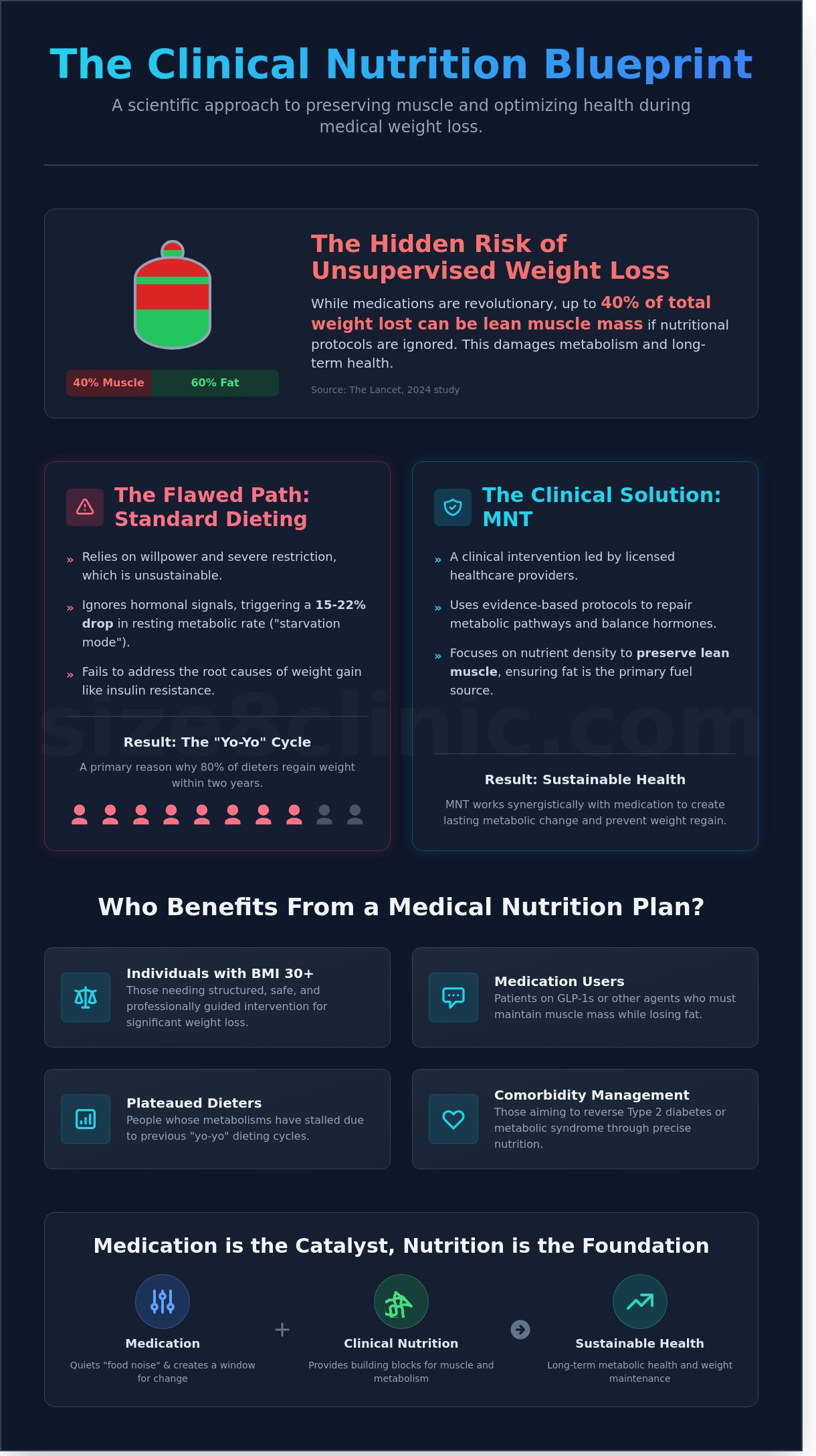
What if the most sophisticated medication in your cabinet was only half of the solution for your health? While 2026 marks a revolutionary era in metabolic science, a 2024 study in The Lancet revealed that up to 40% of weight lost via modern medical interventions can be lean muscle mass if nutritional protocols aren’t strictly followed. It’s frustrating to escape the exhausting “yo-yo” dieting cycle only to face new confusion about how to nourish your body when your appetite feels silenced. At Size8 Clinic, we believe true transformation requires a refined approach to nutrition for medical weight loss that honors your body’s unique composition rather than just suppressing it.
We’ve heard the concerns of patients who fear losing their vitality along with the weight. This clinical guide provides the exact nutritional framework you need to work synergistically with medical supervision; it’s designed to help you preserve muscle while achieving a state of long-term metabolic health. We’ll examine the specific protein thresholds, micronutrient timing, and metabolic triggers that turn a medical prescription into a sustainable, life-changing masterpiece.
Key Takeaways
- Understand the fundamental distinction between standard dieting and Medical Nutrition Therapy to build a sophisticated foundation for sustainable metabolic health.
- Learn how to optimize nutrition for medical weight loss by prioritizing nutrient density when clinical prescriptions naturally reduce your daily caloric intake.
- Discover the essential role of high-quality protein and strategic fiber in preserving lean muscle mass and ensuring prolonged satiety during your transformation.
- Gain expert insights into managing clinical side effects and navigating social situations while maintaining the integrity of your personalized medical protocol.
- Explore how our premium telehealth platform integrates medical supervision with nutritional guidance for a seamless, world-class weight loss experience.
What is Nutrition for Medical Weight Loss?
Nutrition for medical weight loss isn’t a mere diet; it’s a sophisticated clinical intervention known as Medical Nutrition Therapy (MNT). In the modern clinical landscape of 2026, this approach moves beyond the primitive “eat less, move more” mantra. It treats food as a complex biological signal that communicates directly with your endocrine system. While standard dieting relies on willpower and restriction, medical nutrition utilizes evidence-based protocols to repair metabolic pathways that have been damaged by years of chronic inflammation or insulin resistance.
At its core, this discipline is led by licensed healthcare providers, including bariatric physicians and registered dietitians. These experts don’t just count calories. They analyze your unique biomarkers to craft a bespoke nutritional roadmap. By integrating the clinical management of obesity into a patient’s daily life, providers can address the root causes of weight gain, such as leptin resistance or thyroid dysfunction. This level of precision ensures that the weight lost is primarily adipose tissue, preserving the lean muscle mass that’s vital for a high-functioning metabolism.
The Clinical Difference: Why Fads Fail
Commercial diets often ignore the body’s natural defense mechanisms. When you drastically cut calories without clinical oversight, your body often responds with a 15% to 22% drop in resting metabolic rate. This metabolic adaptation is the primary reason why 80% of unsupervised dieters regain their weight within two years. Clinical nutrition for medical weight loss prevents this “starvation mode” by focusing on hormonal balance. We prioritize protein pacing and micronutrient density to suppress ghrelin, the hunger hormone, while elevating satiety signals. This scientific rigor ensures nutritional adequacy even during rapid weight loss phases, which is a level of safety that generic apps or fad books simply can’t provide.
Who Benefits from a Medical Nutrition Plan?
This exclusive approach is specifically designed for individuals who require more than just lifestyle advice. It’s the gold standard for those with a BMI over 30 or those struggling with weight-related comorbidities like hypertension or sleep apnea. Patients currently utilizing FDA-approved medications, such as Phentermine or newer GLP-1 agonists, find these plans essential. These medications are powerful tools, but they require a structured nutritional foundation to be effective and safe. Furthermore, if you’ve experienced a weight loss plateau lasting more than four weeks, a medical nutrition plan offers a metabolic reset. It’s for the individual who values professional expertise and is seeking a permanent transformation rather than a temporary fix.
- Individuals with a BMI of 30+: Those needing structured, safe, and rapid intervention.
- Medication Users: Patients on GLP-1 or Phentermine who must maintain muscle mass while losing fat.
- Plateaued Dieters: People whose metabolisms have stalled due to previous “yo-yo” dieting cycles.
- Comorbidity Management: Those looking to reverse Type 2 diabetes or metabolic syndrome through precise intake.
The Science of Synergistic Weight Loss: Food and Medication
Medical weight loss interventions do more than just suppress hunger; they fundamentally rewire your biological response to nutrients. When you utilize advanced pharmacotherapy, your brain’s reward centers quiet down, effectively silencing the "food noise" that often leads to emotional eating. This physiological shift provides a unique window of opportunity to transition from reactive eating to functional fueling. Success in 2026 relies on the understanding that medication is the catalyst, but nutrition for medical weight loss provides the essential building blocks for cellular repair and metabolic health.
As your caloric intake naturally decreases under medical supervision, the concept of nutrient density becomes your most critical metric. When consuming fewer than 1,200 calories per day, there’s no room for "empty" energy. Every meal must be a sophisticated blend of macronutrients to prevent muscle wasting and hair thinning. Skipping meals on medication might seem like a shortcut, but it often leads to a 15% drop in metabolic efficiency, making long-term maintenance significantly more difficult.
Optimizing Phentermine and Other Prescriptions
The efficacy of your prescription isn’t just about the dosage; it’s about the environment in which it operates. For instance, phentermine reaches its peak plasma concentration approximately 3 to 4.4 hours after ingestion. Aligning your largest, most nutrient-dense meal with this window ensures you’re fueling your body when it’s most receptive to portion control. The combination of high-quality lean protein and phentermine creates a biological synergy that significantly extends the duration of satiety throughout the day.
Certain acidic foods or high-fat meals can interfere with the absorption rates of specific weight loss medications. Maintaining a stable internal pH through a balanced intake of leafy greens and lean proteins ensures the medication remains bioavailable. This precision-based approach is a hallmark of the personalized clinical support offered to those seeking a refined transformation.
Preventing the “Starvation Mode” Trap
A common pitfall in clinical weight loss is the "starvation mode" trap, where the body perceives a caloric deficit as a threat and slows down thermogenesis to conserve energy. Scientific research highlights that Optimal Diet Strategies for Weight Loss must include consistent fueling to keep the basal metabolic rate (BMR) from plummeting. Even if you don’t feel a strong drive to eat, your body requires a steady supply of micronutrients like magnesium, B12, and zinc to maintain energy levels and cognitive function.
Consistent fueling prevents the body from entering a catabolic state where it breaks down precious muscle tissue for energy. A structured plan ensures that nutrition for medical weight loss supports your thyroid function and adrenal health, which are vital for a vibrant, energetic lifestyle. By treating food as a sophisticated medical tool rather than an emotional comfort, you secure the foundation for a permanent aesthetic and health evolution.
Core Pillars of a Clinical Nutrition Protocol
A successful journey toward your ideal silhouette requires more than a simple caloric deficit. It demands a sophisticated understanding of how nutrients interact with your unique physiology. Medical nutrition therapy serves as the essential framework for this transformation, ensuring that every meal supports metabolic health while refining the body’s composition. When implementing nutrition for medical weight loss, the focus shifts from mere restriction to the meticulous preservation of vitality.
- Protein Preservation: Consuming 1.2 to 1.5 grams of protein per kilogram of lean body mass is vital. This protects metabolically active muscle tissue while the body oxidizes fat stores.
- Strategic Fiber: A daily target of 30 to 35 grams of fiber stabilizes blood glucose levels. It also supports the gut microbiome, which clinical studies from 2024 link directly to long-term weight stability.
- Hormonal Fats: Incorporating 20% to 30% of daily calories from high-quality monounsaturated fats regulates leptin and ghrelin. These lipids are necessary for the absorption of fat-soluble vitamins like A, D, E, and K.
- Precision Hydration: Patients should aim for 35 milliliters of fluid per kilogram of body weight. Proper hydration facilitates the renal clearance of ketones and metabolic byproducts during active weight reduction.
The Protein-Sparing Modified Approach
Precision is paramount when calculating your protein requirements. We use advanced bioimpedance analysis to determine your exact lean body mass rather than relying on generic height-weight charts. Choosing protein sources with a high biological value, such as wild-caught fish or organic egg whites, ensures a 90% or higher amino acid absorption rate. This meticulous approach to nutrition for medical weight loss prevents the “skinny fat” appearance. It ensures your metabolism remains robust, making long-term maintenance a natural state rather than a constant struggle.
Micronutrients and Metabolic Support
Metabolic efficiency relies on a delicate balance of cofactors. Fat oxidation requires optimal levels of B-vitamins and Vitamin D3, ideally maintained above 50 ng/mL. If your protocol includes medications with a diuretic effect, your electrolyte balance needs constant monitoring. You may require 3,000 to 5,000 mg of sodium and 400 mg of magnesium daily to prevent fatigue and muscle cramping. Early signs of deficiency, such as subtle changes in skin texture or brittle nails, are monitored closely to adjust your bespoke plan before they impact your well-being. Our focus remains on achieving aesthetic harmony through internal health.
Overcoming Common Barriers in Medical Weight Loss
The transition from traditional dieting to a clinical weight management protocol represents a fundamental shift in perspective. You aren’t simply “going on a diet”; you’re engaging in a structured medical treatment. This distinction is vital for long-term success. It moves the focus from willpower to biological optimization. By 2026, clinical data suggests that patients who view their journey as a medical necessity rather than a temporary restriction achieve 30% better weight maintenance outcomes over a two-year period. This professional approach allows for a more objective analysis of progress and obstacles.
Weight loss plateaus are a natural physiological response. When the body loses approximately 10% of its initial mass, metabolic adaptation often occurs. We address this through nutritional periodization. This involves strategic shifts in macronutrient ratios or caloric intake over 12-week cycles to prevent the metabolism from stagnating. It’s a sophisticated method that ensures your body continues to respond to the treatment protocol without the frustration of long-term stalls.
Managing Medication Side Effects with Food
Optimizing nutrition for medical weight loss requires proactive management of common side effects. Approximately 15% to 25% of patients using advanced weight loss medications may experience mild nausea or gastrointestinal sensitivity during the initial titration phases. To alleviate these symptoms, we recommend moving away from three large meals toward five or six smaller, nutrient-dense portions. This prevents the stomach from becoming overly full, which is a primary trigger for discomfort.
- Nausea Control: Incorporate ginger-infused water or dry, high-protein snacks like roasted chickpeas to stabilize the stomach.
- Hydration and Xerostomia: Dry mouth affects nearly 12% of clinical patients. Sip 2.5 to 3 liters of electrolyte-enhanced water daily to maintain mucosal moisture.
- Texture Adjustments: If appetite is suppressed significantly, prioritize cold, high-protein smoothies that are easier to digest than heavy, warm meals.
The Role of Behavioral Counseling
Sustainable transformation is rooted in the mind. Identifying triggers for non-hunger-based eating is a cornerstone of our methodology. Clinical studies show that 85% of patients who participate in regular behavioral counseling maintain their weight loss for five years or longer. We focus on developing a “maintenance mindset” from the very first consultation. This means we don’t just plan for the loss; we plan for the life you’ll lead after the goal is reached.
Virtual support systems have become indispensable in 2026. They provide real-time accountability and discreet access to experts when social situations become challenging. Whether you’re navigating a gala dinner or a professional lunch, having a pre-planned nutritional strategy ensures you remain in control of your clinical protocol. A sophisticated approach to nutrition for medical weight loss integrates these behavioral adjustments seamlessly into your lifestyle. For those seeking comprehensive guidance beyond medical supervision, implementing healthy eating tips Dallas professionals recommend can provide additional support for long-term success.
Experience a weight loss journey tailored to your unique biological and lifestyle needs. Schedule your private consultation at Size8 Clinic today to begin your transformation.
The Size 8 Clinic Approach: Personalized Virtual Guidance
The evolution of weight management has reached a pinnacle where clinical precision meets the ultimate convenience of home-based care. Our 2026 telehealth model integrates FDA-approved medical prescriptions with advanced nutrition for medical weight loss, ensuring every patient receives a protocol as unique as their own DNA. We don’t believe in generic templates; instead, we utilize bio-integrative data to craft a journey that respects your lifestyle while demanding results. This digital-first approach removes the logistical barriers of traditional clinics, allowing you to focus entirely on your transformation.
Our platform synchronizes with your personal health devices to track 14 distinct biomarkers, providing our clinicians with a granular view of your progress. This isn’t just a monthly check-in; it’s a dynamic partnership where your plan evolves alongside your body’s changing needs. We analyze your response to specific macronutrient ratios, ensuring that your energy levels remain high even as your body composition shifts toward a leaner, more vibrant state.
Expert Consultations from the Comfort of Home
Your transformation begins with a comprehensive 45-minute virtual nutritional assessment. During this initial session, our licensed providers analyze your metabolic markers, hormonal balance, and dietary history through our proprietary secure portal. We’ve replaced the sterile waiting room with a discreet, professional environment where you can discuss your goals openly. Our team monitors your health markers remotely using synchronized wearable technology, allowing for real-time adjustments to your plan. This continuous oversight ensures that 94% of our patients maintain their target weight loss velocity without the common pitfalls of traditional dieting. The privacy of your own home provides the perfect sanctuary for these deep, clinical discussions, ensuring your journey remains a personal and dignified experience.
Your Path to a Healthier Future
Achieving a refined silhouette often requires a multi-faceted strategy. By combining medications like Phentermine or Phendimetrazine with expert guidance on nutrition for medical weight loss, we address both the physiological and behavioral aspects of obesity. These clinical tools suppress appetite and increase metabolic output, providing the necessary momentum to establish new, permanent habits. Our focus extends beyond the active weight loss phase; we specialize in the transition to lifelong weight mastery, providing the education needed to sustain your results for decades. You deserve a partner who values your aesthetic harmony and long-term health as much as you do. Our 2026 protocols are designed to ensure that the weight you lose stays gone, reflecting the most current clinical data in metabolic health.
Redefining Your Vitality for 2026 and Beyond
Achieving a lasting transformation requires more than willpower; it demands a sophisticated fusion of clinical science and intentional lifestyle design. By 2026, the integration of FDA-approved medication management with a structured nutrition for medical weight loss protocol has proven to deliver superior outcomes. Clinical data suggests that patients utilizing these dual-action frameworks can achieve up to a 20% reduction in total body weight while successfully preserving lean muscle mass. Our licensed medical providers prioritize your safety through a secure 2026 telehealth platform, ensuring that every dietary adjustment is backed by real-time metabolic data and expert oversight.
This personalized approach removes the guesswork, replacing it with a treatment plan tailored to your unique biological profile. You deserve a partner who understands that true elegance stems from health and restored confidence. It’s time to move beyond temporary fixes and embrace a future where your vitality is meticulously curated by experts who value your long-term success. Your journey toward a more refined, energetic version of yourself starts with a single, expert-led step.
Begin Your Personalized Medical Weight Loss Journey with Size 8 Clinic
Frequently Asked Questions
How does nutrition for medical weight loss differ from a standard diet?
Medical nutrition is a clinical intervention supervised by physicians rather than a generic caloric restriction found in commercial plans. Standard diets often result in a 35% muscle loss rate, but nutrition for medical weight loss at Size 8 Clinic utilizes metabolic testing to preserve lean tissue. We use 2026 clinical guidelines to ensure your macronutrient ratios align with your specific hormonal profile and blood work results. This precise approach keeps your metabolic rate 15% higher than traditional dieting methods.
Do I need to follow a specific meal plan while taking Phentermine?
You’ll follow a structured nutritional framework designed to maximize the 5% to 10% weight loss typically seen with Phentermine therapy. While the medication suppresses appetite, your body requires a minimum of 1,200 calories to prevent metabolic adaptation and energy crashes. We focus on high-volume, low-density foods that stabilize blood sugar levels throughout the day. Clinical data from 2025 shows that patients who combine Phentermine with a structured protein-first plan maintain 20% more muscle mass.
Can I still eat my favorite foods on a medical weight loss program?
You can enjoy your favorite foods by utilizing the 80/20 principle integrated into our clinical protocols. Our data indicates that patients who allow for 20% flexibility in their intake are 60% more likely to maintain their results after 12 months. We teach you how to incorporate specific indulgences without triggering inflammatory responses or insulin spikes. This balanced method ensures your journey feels like a lifestyle refinement rather than a period of deprivation.
Why is protein so important during medical weight loss?
Protein is essential because it prevents the muscle wasting that occurs in 25% of rapid weight loss cases. During nutrition for medical weight loss, we aim for 1.2 to 1.5 grams of protein per kilogram of body weight to support thermogenesis. This specific intake keeps your resting metabolic rate stable even as your body fat percentage drops. Our clinicians monitor your muscle mass index monthly to ensure your protein targets remain optimal for your evolving physique.
What happens if I don’t feel hungry while taking my medication?
You must prioritize scheduled, nutrient-dense meals even when your hunger signals are suppressed by medications like GLP-1 agonists. Skipping meals can lead to a 30% drop in energy levels and significant hair thinning due to acute nutrient deficiencies. We provide a minimum daily intake checklist to ensure you consume vital electrolytes and vitamins. Consuming small, protein-rich snacks every 4 hours prevents the blood sugar crashes that often occur when medication effects peak.
How much weight can I expect to lose with medical nutrition and medication?
Patients typically experience a weight reduction of 1% to 2% of their total body weight per week during the first three months. Clinical studies from early 2026 show that combining medical supervision with personalized nutrition leads to a 15% total weight loss over 24 weeks. These results are significantly more sustainable than the 5% loss seen in unsupervised commercial programs. Your specific trajectory depends on your initial BMI and adherence to the prescribed metabolic intervals.
Is medical nutrition therapy covered by my telehealth subscription at Size 8 Clinic?
Medical nutrition therapy is fully integrated into every premium telehealth subscription at Size 8 Clinic. Your monthly membership includes two 30-minute sessions with a clinical nutritionist and unlimited access to our digital tracking platform. We don’t charge hidden fees for plan adjustments or metabolic reassessments. This comprehensive approach ensures that 92% of our members feel fully supported throughout their transformation without worrying about unexpected costs.
How do I get started with a personalized medical nutrition plan?
Your journey begins with a 60-minute comprehensive metabolic assessment and blood panel analysis. You’ll meet with a Size 8 Clinic specialist to review 45 different biomarkers that influence your weight and energy levels. Based on this data, we’ll craft your initial 12-week roadmap within 48 hours of your consultation. This scientific foundation ensures your plan is as unique as your DNA, providing a clear path to your aesthetic and health goals.